
The London Legionella Outbreak: What Building Managers in the North West Need to Know
Health officials are currently investigating a cluster of Legionnaires’ disease cases linked to north and south-west London. The UK Health Security Agency (UKHSA) is working to establish whether the cases share a common source, and investigations are ongoing.
It’s a developing situation, and the source hasn’t been confirmed yet. But the UKHSA’s own statement is worth paying attention to: Legionella bacteria can multiply in large building water systems if they’re not properly maintained.
It's not just a cooling tower problem
Legionella gets a lot of attention in the context of large industrial systems, but the bacteria can develop in any building water system where conditions are right — warm temperatures, stagnant water, and a lack of regular maintenance.
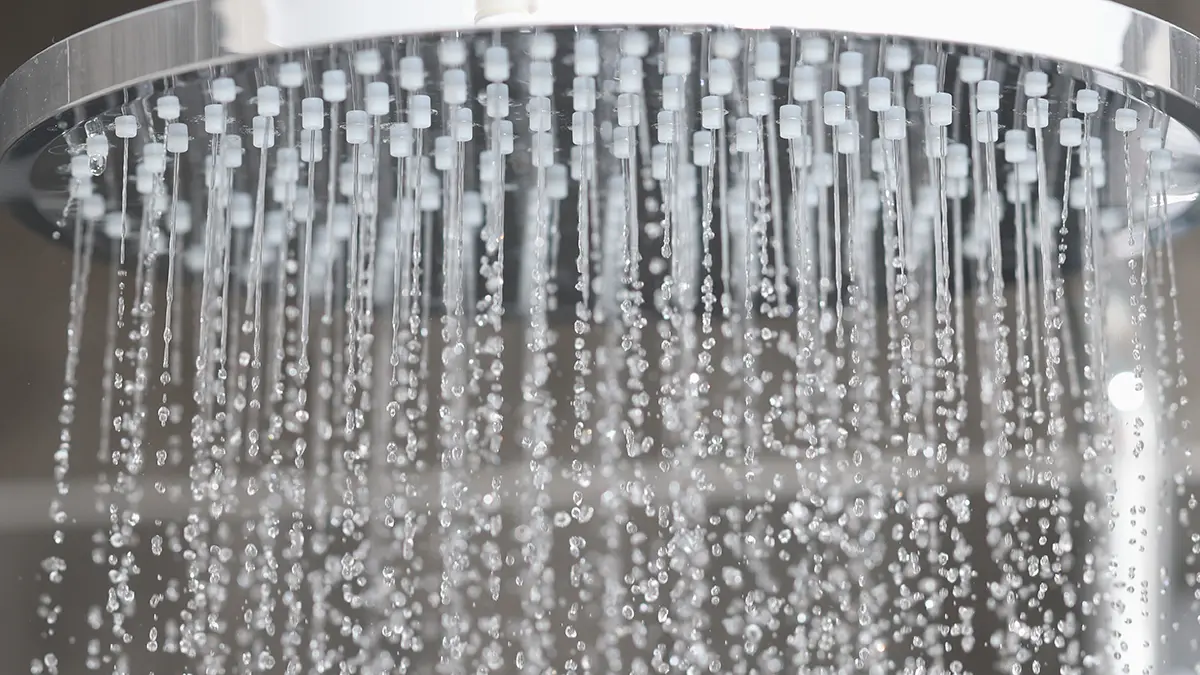
Showers, taps, cold water storage tanks, and infrequently used outlets are all potential risk points in hotels, leisure centres, care homes, and commercial properties. The bacteria thrive between 20°C and 45°C, so any outlet that sits unused for extended periods — a guest room that’s been empty for a week, a shower block that only gets used at weekends — can create conditions where Legionella takes hold.
What does good Legionella management actually look like?
Under UK health and safety law, anyone responsible for a building water system — whether you’re a landlord, facilities manager, or hospitality operator — has a legal duty to manage Legionella risk. In practice that means:
- A current, documented Legionella risk assessment
- Regular water temperature monitoring and recording
- A flushing regime for infrequently used outlets
- Periodic water testing and tank inspection
- Records kept and reviewed
Risk assessments should be reviewed at least every two years, or sooner if there’s been a significant change to your system — a refurbishment, a period of low occupancy, or modifications to pipework.
A note on seasonal risk
This time of year is worth flagging for hospitality operators specifically. Buildings that have been running at reduced occupancy over winter — or where certain areas have been closed off — can have pockets of stagnant water sitting in the system. As occupancy picks up through spring and into the summer season, it’s worth making sure temperature checks and flushing regimes are up to date before guest numbers increase.
If you're not sure where you stand
The London situation is a reminder that Legionella risk is present in any poorly maintained water system, not just headline-grabbing industrial sources. If your risk assessment is overdue, or you’re not confident your current controls are adequate, it’s worth getting advice sooner rather than later.
We carry out Legionella risk assessments and water testing for hotels, leisure facilities, care homes, landlords, and commercial building operators across Lancashire, Cumbria, and the North West. If you’d like to talk through what you need, give us a call on 01524 66512 or get in touch via our website contact form.