
What Counts As a Private Water Supply? Understanding Your Rights and Responsibilities
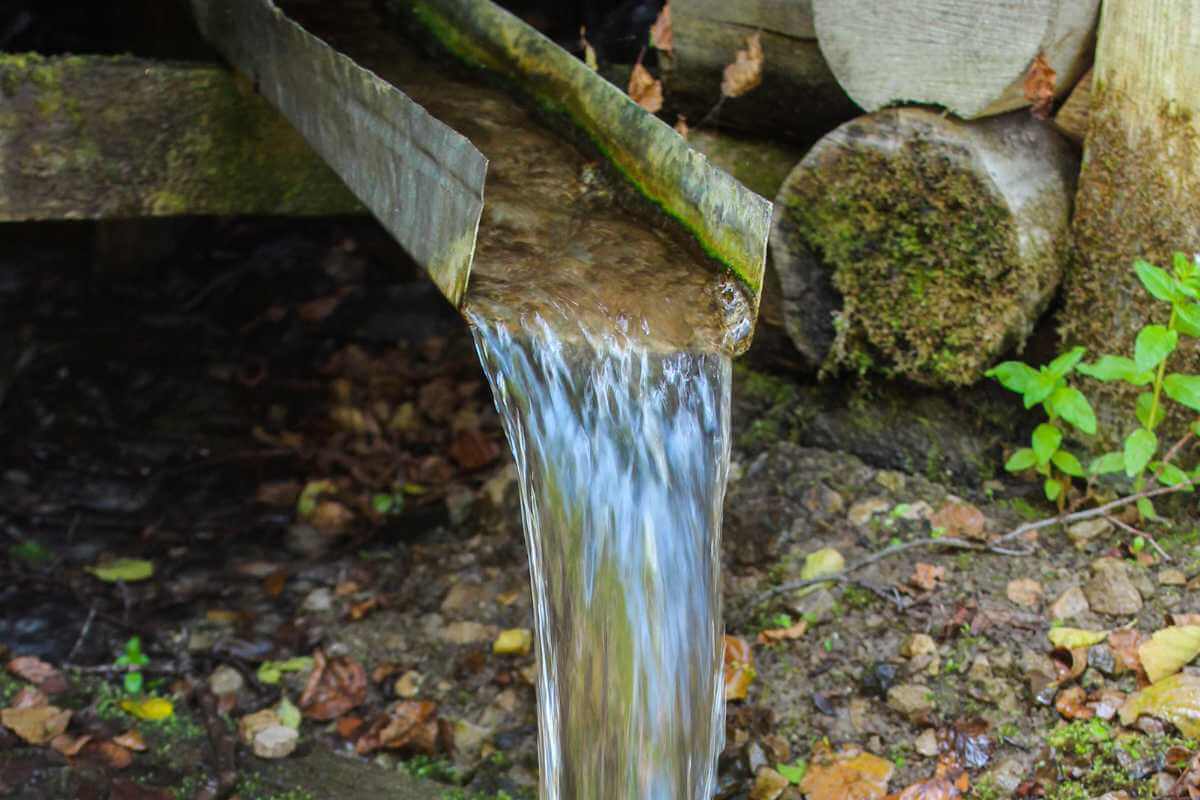
If your water comes from a spring, well, or borehole, you’ve got a private water supply. That makes you responsible for keeping it safe – and working out what that means can be confusing.
We’ve helped farm owners, guest houses, and rural homes across Cumbria and Lancashire get their systems sorted. Here’s what you need to know.
What is a private water supply?
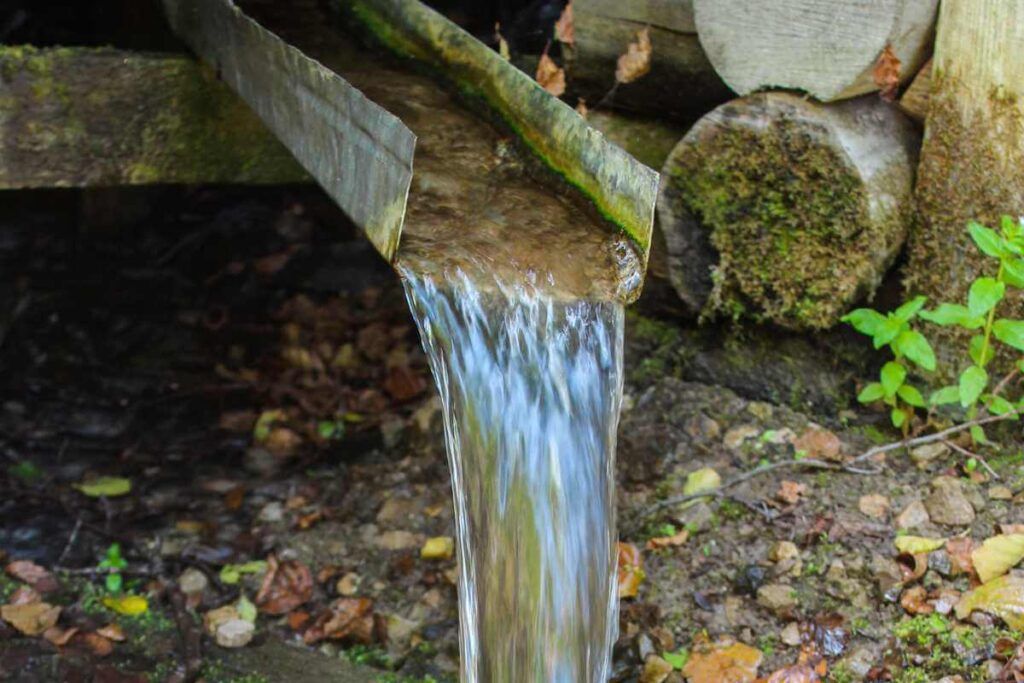
A private water supply means your water doesn’t come from the mains. Instead, it comes from a source you own or control – or one you share with neighbours.
Common sources include:
- Springs that feed into collection chambers
- Wells and boreholes drilled into groundwater
- Private reservoirs or surface water intakes
- Shared supplies that run through private pipes before reaching homes
If the water reaches one or more properties before connecting to the public network, it’s classed as private. That means the Private Water Supplies Regulations apply, and your local council will want to check it meets safety standards.
Do I have a private water supply?
You likely have a private supply if:
- You don’t get a water bill from United Utilities or another utility
- You can see a spring box, well, or borehole on your property
- Your water pressure drops after heavy rain or in summer
- You share a water source with nearby homes through private pipes
In the Lakes and around the region, we see a lot of spring-fed systems with basic filtration and a UV unit tucked in a plant room or outbuilding. We also come across older gravity-fed systems with storage tanks that haven’t been inspected for years.
Not sure what you have? Check your property deeds, ask your local council, or give us a call. We can confirm your setup during a site visit.
T: 01524 66512
Who is responsible for a private water supply?
If you own the property or control the water supply, you’re responsible. That includes:
- Registering the supply with your local council
- Allowing risk assessments and monitoring
- Making sure the water is safe and clean
- Maintaining treatment systems, tanks, and pipework
- Acting on any improvement recommendations
If several properties share the source, responsibility is usually shared under a written agreement – or it falls to whoever manages the intake and treatment equipment.
Running a holiday let or small business on a private supply? Your responsibilities increase because you’re providing water to the public. That means more frequent testing and tighter controls.
What is Regulation 8?
Regulation 8 covers private distribution networks. If mains water enters your site but is then distributed through private pipes to multiple buildings – like a business park, caravan site, or block of flats – you’re responsible for everything after the meter.
That includes risk assessments, monitoring, and maintenance, even though the source is public.
We can help you understand your position and put the right controls in place, from mapping pipework to routine sampling.
How often should private water supplies be tested?
Testing frequency depends on the size and use of your supply, and what your local council’s risk assessment says.
As a rule of thumb:
- Single homes: Risk assessed on request. Testing is advised annually to catch seasonal changes and protect health.
- Shared supplies and holiday lets: Usually tested at least once a year, sometimes more depending on risk.
- Larger or commercial supplies: A defined monitoring programme set by the council, covering microbiology, turbidity, nitrates, metals, and more.
Understanding wholesome water tests
For wholesome water tests (the full suite covering all regulatory parameters), Environmental Health usually conducts the initial testing. We often get involved after a failure to retest specific parameters, or when property owners need testing for house sales. We can arrange full testing when needed.
In the North West, spring-fed systems often show seasonal swings. After heavy rain in Cumbria, surface water can carry fine silt and bacteria into spring chambers. Regular sampling plus effective filtration and UV disinfection keeps you compliant and protects your household or guests.
Need help with testing? We offer UKAS-accredited water sampling across Cumbria and Lancashire. Learn more about our water quality monitoring.
What does good maintenance look like?
Safe private supplies rely on three things: protection at source, reliable treatment, and consistent checks.
1. Source protection
- Secure lids and vermin-proof vents on chambers and tanks
- Divert surface run-off and mend cracked covers
- Keep livestock away from collection areas
2. Treatment
- Install cartridge filtration to remove particles, followed by a correctly sized UV system
- Where needed, add treatment for iron, manganese, hardness, or arsenic
- pH correction systems where water is too acidic or alkaline
- Water softeners for hard water areas
3. Storage and distribution
- Clean and inspect storage tanks regularly
Flush dead legs and insulate pipework
Maintain steady pressure with suitable pumps
4. Monitoring
- Set a schedule for testing
- Record UV lamp hours and change filters on time
- Keep a simple logbook
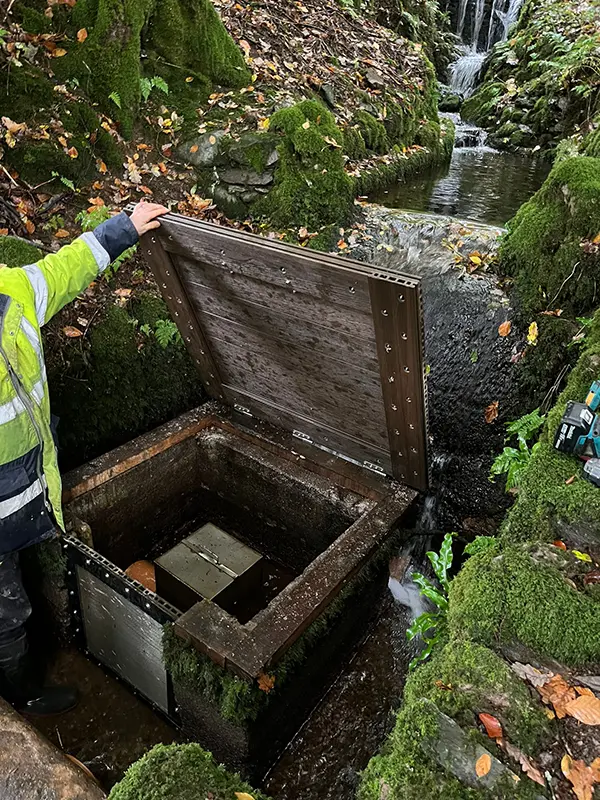
We worked with a property owner whose spring supply suffered repeated blockages and cloudy water after storms. The system had old filters and a poorly sealed spring chamber.
We upgraded to dual 20-inch filters, installed a new UV reactor, and resealed the spring chamber. Follow-up sampling showed clear water and compliant microbiology.
The owner now has a simple annual service plan and hasn’t had a problem since.
If you’re dealing with similar issues – cloudy water, pressure drops, or you just haven’t had your system checked in years – we can help. See our private water supply services.
Registration and working with your council
All private supplies must be registered with your local authority. The council will conduct or arrange a risk assessment, set a monitoring plan, and issue any notices if problems are found.
We work closely with councils across Cumbria and Lancashire, which helps resolve issues quickly. If sampling flags a problem, we’ll explain the results in plain terms, fix the root cause, and retest so you can get back to normal.
Summary
If your water doesn’t come from the mains, you have a private water supply. The legal duty to keep it safe sits with you or whoever controls the system.
What to do:
- Register the supply with your council
- Understand whether Regulation 8 applies
- Follow a sensible plan of treatment, maintenance, and testing
Seasonal changes in the North West can affect water quality, so don’t rely on taste or appearance alone. Regular testing and simple maintenance keep your water safe and compliant.
Want friendly advice or a no-obligation check of your system? Get in touch with Aqua Engineering and speak to one of our local specialists. T: 01524 66512